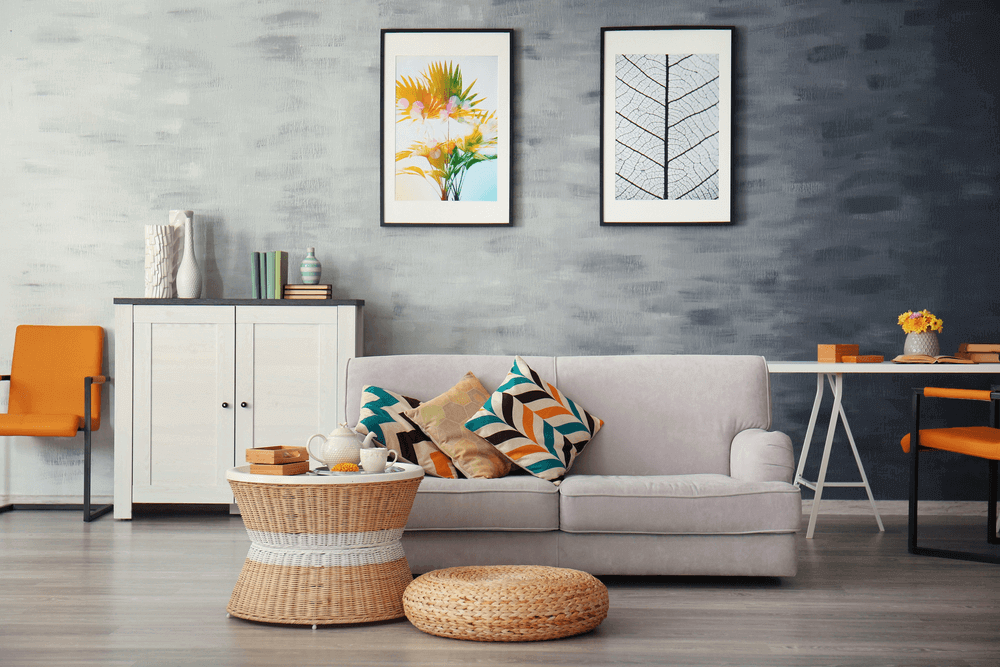
In the world of interior design, knowing how to create a focal point wall with DIY art can be transformative for your living space. Focal point walls serve as the visual magnet in any room, instantly capturing attention and setting the tone for the rest of the decor.
They represent more than just a decorative technique-they are a statement of style and creativity, offering homeowners a unique opportunity to showcase both personality and aesthetic preferences. By introducing a focal point, you can invigorate dull spaces and highlight key architectural features that might otherwise go unnoticed.
The beauty of a focal point wall lies in its ability to elevate any room, no matter its size or function. It becomes an anchor that brings coherence to diverse elements within your interior design layout. Whether it’s through bold colors, striking patterns, or evocative art pieces, this wall serves as the heartbeat of your home’s aesthetic expression.
It guides visitors’ eyes naturally around the space while ensuring your intentional design efforts are front and center. Transforming a plain wall into an engaging focal point enriches not only the visual appeal but also adds depth and character to your home’s overall ambiance.
DIY art plays a crucial role in crafting these transformative spaces. Incorporating homemade artwork infuses personal allure into your design endeavors-each piece tells a story or echoes an emotion that pre-made décor items might lack. Through DIY projects, you gain creative control over colors, textures, and themes that resonate with your taste and lifestyle choices. This personal investment transforms ordinary environments into bespoke spaces brimming with charm-a true testament to your individuality amidst mass-produced uniformity.
Understanding Focal Points and Their Impact on Interior Design
In interior design, a focal point serves as the heart of a room, drawing attention and anchoring the overall aesthetic. It acts like a magnet for the eyes, helping to define the space’s purpose while adding intrigue and depth.
Common focal points can range from architectural features such as fireplaces or large windows, to carefully curated collections of art or vibrant accent walls. By establishing a central visual element, you create a structured look that offers both harmony and contrast within the space.
Focal points are essential not just for their ability to captivate but also for guiding perceptions within a room. For example, in living rooms, a beautifully adorned mantlepiece often becomes a natural focal area. In bedrooms, the headboard can capture this role when emphasized with unique elements like texture or color.
Kitchens might highlight an island with distinctive lighting fixtures or decorative tile work to achieve similar effects. These features not only draw the viewer’s eye but also offer invitations into deeper exploration of your stylistic choices throughout the room.
Incorporating DIY art into your focal point allows you to imbue this central feature with personal meaning and creativity. Understanding how to create a focal point wall with DIY art involves embracing custom artistry that resonates with your personality while enhancing your home’s aesthetic appeal.
This approach encourages experimentation with various materials and designs that make each space distinctively yours. Not only does this add flair and uniqueness, but it significantly elevates the emotional connection you have with your home environment by transforming it into a true reflection of personal taste and ingenuity.
Choosing the Right Wall for Your Focal Point
Selecting the right wall for your focal point is a crucial step in achieving the desired impact in your interior space. When determining which wall will best serve as a focal point, consider several key factors that can guide you to an optimal choice.
The wall’s size should align with the scope of your DIY art project; for instance, a larger expanse might suit a gallery-style arrangement or a bold mural, while a smaller section could be ideal for a compact collage or singular striking piece. Lighting plays an integral role in highlighting your artwork and enhancing visual appeal, so choose a wall that either receives ample natural light or allows for easily installed accent lighting to draw attention to your creations.
Beyond size and lighting, take into account the room’s function when choosing where to create your focal point. In living rooms, the area above a fireplace is traditionally viewed as prime real estate for art, whereas in bedrooms, the space above the headboard offers an intimate canvas.
Consider how traffic flow through each room might affect viewers’ perspectives on your work; placing art on walls that are immediately visible upon entering can maximize impact. Carrying out an analysis of each room will ensure you make informed decisions-assess how furnishings and existing décor elements might complement or interfere with potential focal walls.
Before diving into how to create a focal point wall with DIY art, it’s important to remember that this process is about harmonizing the structural aspects of your home with personal aesthetic preferences. Drawing inspiration from room features such as color schemes and architectural details can help forge continuity between new artworks and their environment.
Whether you lean towards vibrant pieces bursting with energy or subdued works invoking tranquility, aligning these choices with their surrounding backdrop contributes substantially to crafting cohesive interiors that feel both personal and intentional.
Exploring DIY Art Techniques for a Unique Focal Point Wall
When embarking on the journey of how to create a focal point wall with DIY art, understanding the variety of artistic techniques available can enrich your creative process. Each method brings its unique flair and allows the personality of the homeowner to shine through while reinforcing the room’s overall design theme. One popular technique is painting, which offers endless possibilities from simple color blocking to elaborate murals.
Painting can also be combined with stenciling for those who desire intricate and precise patterns without requiring advanced artistry skills. This approach lends itself well to creating striking designs that draw attention and provide visual intrigue.
Another engaging DIY technique is collage-making, which involves assembling different materials such as photographs, magazine clippings, fabrics, and more onto a canvas or directly onto your wall. This method is highly customizable and lets you express personal stories or favorite themes in significant ways.
It can also serve as an evolving piece that adapts over time by allowing additions or modifications based on seasonal changes or new memories you’d like to incorporate into your home’s décor narrative. By embracing collage-making for your focal wall, you add depth and texture that transforms flat surfaces into dynamic displays.
Mixed media art techniques combine several elements like papers, natural objects (think dried flowers or small branches), textiles, paint layers, and even metals to construct complex compositions with multifaceted visuals. The tactile quality these installations create invites interaction and exploration beyond mere visual appreciation.
Choosing mixed media ensures that each artwork is distinctive due to its three-dimensional aspects contributing both light-catching detail during daytime hours while casting compelling shadows at night under strategic lighting. Regardless of which style resonates most with your vision, experimenting with different techniques will assist in crafting a remarkable focal point wall brimming with character and uniqueness that celebrates individuality within any home setting.
Collecting and Preparing Materials for DIY Art Projects
When embarking on the journey of creating a focal point wall with DIY art, the first step is to gather all necessary materials. The right supplies will not only enhance the quality of your art but also ensure the process is enjoyable and efficient. Begin by identifying the specific type of DIY art you wish to create, whether it’s a painting, mural, collage, or mixed media piece.
Each project has its own set of required materials, so having a clear plan will guide your shopping list. For instance, if painting is your chosen medium, you’ll need canvases or suitable surfaces like wood panels, along with paints and brushes in various sizes.
Sourcing materials doesn’t have to break the bank; in fact, it’s often half the fun of a DIY adventure. Consider visiting local thrift stores or flea markets where you can find unique frames or unexpected items that can be repurposed into art supplies. Sustainability-minded creatives can look for eco-friendly paints and recycled paper products.
Additionally, many craft stores offer discounts for bulk purchases or online coupons that can significantly reduce costs. Remember that sometimes creativity thrives within constraints-working with limited resources might lead you to innovative solutions and more personalized creations.
Before diving into your project on how to create a focal point wall with DIY art, it’s crucial to prepare both yourself and your workspace adequately. Dedicate an area in your home as your crafting zone where materials are easily accessible and messes are manageable. Protection is also key; cover work surfaces with old newspapers or plastic sheets and wear appropriate clothing that can handle paint splatters or glue spills.
Pay attention to lighting-whether through natural daylight or adequate artificial lights-to clearly see colors and details as you work. Finally, keep safety top-of-mind by ensuring proper ventilation when using toxic materials such as spray paints or sealants and wearing protective gear like gloves and masks if necessary.
Step-by-Step Guide
When embarking on the journey of how to create a focal point wall with DIY art, it’s essential to start with a plan that outlines both your artistic intentions and practical considerations. Begin by selecting a theme or idea that resonates with your personal style and complements the room’s existing décor.
For a cohesive look, consider factors like color palette, subject matter, and overall mood. Gather inspiration from various sources such as online galleries, nature, or even personal memories that you wish to immortalize through your artwork.
Once you’ve settled on a concept, it’s time to gather materials and prepare your workspace for crafting. Key supplies typically include canvas or wood panels, paints or mixed media materials (such as fabric scraps or magazines), brushes of varying sizes, stencils if needed, and adhesive tools for collage work.
To ensure cost-effectiveness without sacrificing quality, seek out affordable materials at thrift stores or opt for sustainable options like recycled paper. Moreover, create a comfortable work environment by arranging adequate lighting and protecting surfaces from potential spills with drop cloths.
To kick off the creative process, start by prepping the surface for painting or affixing other mediums. This may involve sanding wooden surfaces for smoothness or applying primer to canvases for better paint adherence. When layering paints or papers in mixed media art, allow each layer ample drying time to prevent smudging and achieve clean transitions between elements.
Once your artwork is complete and dry, plan its arrangement on the focal wall before installing hanging hardware-whether using nails for sturdier pieces or adhesive hooks for lighter works-to maintain balance and symmetry in presentation. Remember that the final display should blend aesthetics with accessibility; thus maintaining some flexibility in spacing allows further customization as you expand your collection over time.
Styling and Arranging Your Focal Point Wall for Maximum Impact
The way you style and arrange your DIY art on a focal point wall can dramatically enhance its impact, transforming the wall into a dynamic canvas that speaks to your personal essence. One effective approach is to organize your art pieces in a symmetrical pattern, which can bring an elegant, structured look to the room.
Alternatively, arranging them in an asymmetrical layout might give your space a more artistic and relaxed feel, emphasizing creativity and spontaneity. Play around with varying sizes and orientations of art pieces to create visual interest and guide the eye naturally across the wall.
Complementary elements such as frames can significantly elevate your DIY art’s aesthetic appeal, creating a cohesive theme or mood. For instance, using sleek metal frames affords a modern vibe while wooden frames add warmth and rustic charm. The wall color itself serves as a critical factor; it should harmonize with or provide contrast to your artwork for maximum effect. Neutral walls allow bold DIY artworks to pop, while brightly painted walls could enhance minimalist pieces.
Lighting plays an essential role in accentuating your focal point wall’s features. Consider installing adjustable spotlights or track lighting to highlight specific areas of the arrangement. Soft ambient lighting can lend emotional depth to the artwork at different times of day or during various activities. Incorporating diverse textures with mixed media art or textiles appended to the wall grants added dimensionality that engages viewers uniquely from different angles.
| Styling Aspect | Options |
|---|---|
| Arrangement | Symmetrical, Asymmetrical |
| Frames | Sleek Metal, Wooden |
| Wall Color | Neutral or Bright Contrast |
| Lighting | Spotlights, Soft Ambient Light |
Bringing together varied art styles-such as abstract paired with realistic portraits-can produce intriguing contrasts within one visually engaging display when learning how to create a focal point wall with DIY art effectively. Mixing different dimensions like flat canvas works alongside three-dimensional sculptures amplifies textural variance and interest. This blend not only creates dynamism but also turns any ordinary wall into an expressive storytelling backdrop unique only to those who dwell within or visit its close proximity.
Maintenance and Seasonal Updates for Your Focal Point Wall
Maintaining your focal point wall is essential for preserving its visual appeal and ensuring it remains the centerpiece of your space. Regular dusting is crucial to prevent dirt buildup that can dull colors and textures. Use a soft, dry cloth or a gentle brush attachment on a vacuum cleaner to carefully clean the surface of any artwork.
Avoid harsh cleaning chemicals, as they could damage the materials used in your DIY art projects. For those wondering how to create a focal point wall with diy art, maintaining its pristine condition post-creation is key to longevity.
Seasonal updates offer an exciting opportunity to refresh your focal point wall and keep it aligned with changing trends and personal tastes. Consider incorporating seasonal elements that reflect the mood or theme of the time-perhaps autumn leaves for fall or pastel shades for spring. Rotating different pieces of art can give new life to your space without requiring a complete overhaul. This adaptability not only maintains interest but also allows your décor to remain relevant throughout the year.
Encouraging ongoing creativity ensures that your focal wall continues to resonate with you and evolve alongside your personal style preferences. Don’t hesitate to experiment with new DIY techniques or update frames and lighting accents to better highlight current displays. By setting aside time each season for creative updates, you transform routine maintenance into an avenue for artistic exploration, ensuring that this central feature consistently captivates anyone who enters the room.
| Maintenance Tips | Seasonal Updates |
|---|---|
| Regular dusting with a soft cloth | Incorporate seasonal elements (e.g. autumn leaves) |
| Avoid harsh cleaning chemicals | Rotate different pieces of art |
Conclusion
Creating a focal point wall with DIY art offers more than merely a stylish upgrade to your home; it delivers a unique opportunity to inject your personality into your living space. By adding a personal touch through art that you’ve created yourself, this transformation enhances not only the room’s aesthetics but also enriches your connection to the environment you’ve helped design.
As discussed, understanding how to create a focal point wall with DIY art involves several rewarding steps – from selecting the perfect location and exploring various artistic techniques to finally styling and maintaining your masterpiece.
As you embark on this journey of creativity, it’s important to remember that DIY art for your focal point wall is all about experimenting and finding what speaks to you personally. There’s no right or wrong in artistic expression, so feel empowered to mix styles, play with textures, and use colors that reflect your inner designer.
This exploration can unveil new aspects of your creativity and might even inspire further home improvement projects. Don’t hesitate to adjust elements as seasons change or discover fresh ideas through feedback from friends and family who admire your work.
Lastly, we invite you to share experiences or suggest novel approaches in creating these personalized spaces. Whether you’re a seasoned artist or someone picking up a paintbrush for the first time, each attempt at designing such walls enriches our collective understanding of interior design possibilities. Remember, creativity knows no bounds when it comes to transforming spaces; as you engage in these projects, let them be an ongoing narrative of style and self-expression in every corner of your home.

I’m thrilled to be your companion on this exciting journey through the world of home decor and design. With a passion for turning houses into homes and a keen eye for the finer details, I’m here to help you transform your living spaces into beautiful, functional, and meaningful havens.