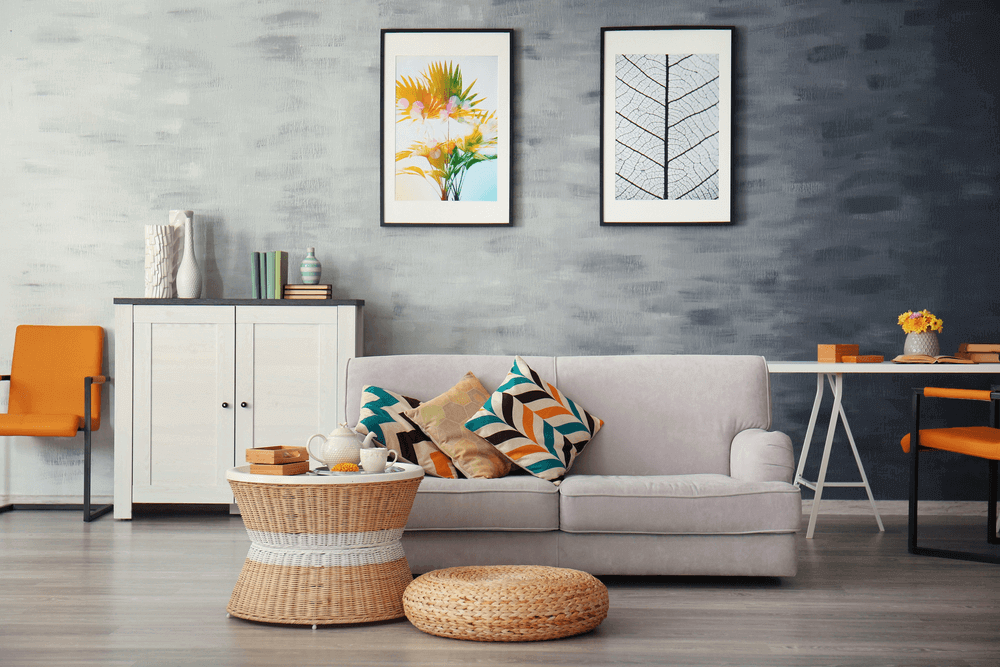
Learning how to create wall art with magazine cutouts is a delightful way to breathe new life into old materials while adding a personal touch to your home decor. This creative process transforms everyday magazines into striking pieces of wall art, allowing you to express individuality and creativity. Not only does this form of art add aesthetic appeal, but it also promotes environmental consciousness by repurposing items that would otherwise contribute to waste.
Using magazine cutouts for crafting wall art emphasizes sustainability, tapping into the growing trend of upcycling – turning discarded items into something beautifully useful. Whether it’s vibrant images from fashion spreads or intriguing typography from feature articles, each element can contribute uniquely to your masterpiece. This approach not only reduces waste but also connects you more deeply with the act of creation as you handpick each piece of visual material that will eventually adorn your walls.
Delving into the world of recycled art offers both challenges and joys; it pushes you creatively while teaching resourcefulness and patience. The joy often lies in hunting for the perfect magazine images and discovering unexpected synergies between colors and textures. As an artist in this craft, you’ll find satisfaction in knowing that your artwork is not just visually captivating-it’s a personal statement on sustainability and creativity intertwined seamlessly in an innovative work of art.
Gathering Your Materials
Essential Materials for Your Wall Art Project
To embark on your creative journey of crafting wall art with magazine cutouts, start by gathering the essential materials. The basics are simple yet impactful: old magazines, a pair of sharp scissors, and a reliable glue.
These tools form the foundation of your project, allowing you to curate and arrange vibrant images that will come together into a stunning art piece. Choose sturdy canvas or thick paper backing to serve as the substrate for your design; they provide the necessary support and ensure longevity.
Optional Tools to Enhance Your Creativity
For those looking to refine their techniques or add intricate details, consider incorporating optional tools into your arsenal. A craft knife offers precision for cutting out detailed images, while a cutting mat protects surfaces and aids in achieving clean edges. Different adhesive types, such as glue sticks or spray adhesives, allow for versatility depending on the nature of your cutouts and backing material.
Another useful addition could be mod podge for sealing the final product with durability. These tools can enhance your ability to create complex designs while making the process more seamless.
Tips for Sourcing Interesting Magazines
A crucial step in learning how to create wall art with magazine cutouts is sourcing magazines that offer diverse and colorful imagery. Scour local thrift stores or libraries hosting book donation events for discarded issues filled with rich visuals waiting to be repurposed into artistic creations.
Friends might also have unwanted magazines they’re willing to part with-an eco-friendly way to gather inspiration-filled pages without added cost. Focus on issues that feature vivid photographs, compelling typographies, and intriguing textures that resonate with your envisioned theme or style, ensuring a diverse array of elements at your disposal when crafting your masterpiece.
Inspiration and Planning
When embarking on the journey of designing your magazine cutout wall art, finding inspiration is a crucial first step. Inspiration can strike from numerous sources and can often lead to the most imaginative results. One effective approach is to create mood boards that capture your ideas, featuring color schemes, styles, and motifs that resonate with you.
Online galleries offer a treasure trove of visual stimulation, providing countless examples of artistic expressions achieved through magazine cutouts. Consider browsing platforms like Pinterest or Instagram for ideas that align with your aesthetic preferences. Whether you’re drawn to bold and vibrant palettes or subtle and neutral tones, identifying a cohesive theme early on will guide your creative process.
Once inspired, planning the layout becomes an exciting task where your vision starts taking shape. Think about the style of art piece you want to create-whether it’s abstract compositions with eclectic shapes or themed mosaics that tell a story. When planning how to create wall art with magazine cutouts, consider experimenting with different arrangements through sketching or using design software to visualize potential layouts.
Play around with various placement strategies until you discover a harmonious balance and flow in your composition. Emphasize how colors interact; contrasting hues might add energy and movement, while analogous shades promote harmony.
The choice between different styles such as portraits, landscapes, or purely geometric designs depends largely on personal preference and the space in which you’ll display your artwork. Planning details for each section of your piece may involve determining focal points; these could be striking images or intricate patterns taken from magazines that draw immediate attention due to their size or color saturation.
Don’t shy away from combining different styles within one piece if they complement each other well-it’s all part of what makes this form of recycling art so thrillingly unpredictable.
| Source | Purpose |
|---|---|
| Mood Boards | Capture ideas and identify themes |
| Online Galleries | Provide visual inspiration and examples |
| Pinterest/Instagram | Find inspiration aligned with aesthetic preferences |
Selecting the Perfect Cutouts
When learning how to create wall art with magazine cutouts, selecting the perfect elements is a vital step that can make or break your finished piece. Begin by scouring your magazines for images that resonate with your theme or personal style.
Consider colors, patterns, and subject matter when choosing cutouts to ensure they harmonize well together. For example, if you’re aiming for a nature-inspired piece, look for botanical images, textures like wood grain or water ripples, and soft color palettes to evoke a natural feel.
Don’t shy away from incorporating a variety of textures and patterns into your selection process. Mixing matte and glossy finishes or combining different font styles from text pages can add layers of interest to your artwork. You might find that certain headlines or types of typography can bring an unexpected dynamic to the overall composition. Be intentional in choosing these elements; they should complement rather than overshadow the primary visuals of your piece.
Creating focal points within your art is crucial for engaging viewers’ attention. To achieve this, consider using bold images or larger cutouts as central figures around which other elements are arranged.
Experimenting with layering techniques can further enhance depth; you might start by overlapping smaller pieces around a central motif or staggering layers of text cuts on top of larger background pieces for added dimension. By thoughtfully curating these visual aspects, you’ll be able to craft a captivating work of art that truly stands out on any wall.
To keep everything organized during this stage:
- Sort through all potential images first before committing them to your project.
- Create small piles based on thematic relevance or color schemes.
- Use sticky notes to label ideas so you can quickly recall why each element was chosen.
Ultimately, the key lies in balancing creativity with harmonious composition, ensuring each selected cutout contributes meaningfully to the narrative you’re constructing through art.
Crafting Your Composition
Arranging your selected magazine cutouts onto your canvas or paper backing is a pivotal step in how to create wall art with magazine cutouts. It’s where your artistic vision begins to take shape in physical form. Start by laying out all of your curated elements so you can easily assess their visual harmony and balance.
Consider starting first with a few central pieces that will act as focal points; these can be striking images, particularly colorful designs, or intriguingly textured patterns. Your eye will naturally gravitate towards these pieces first, so choose them wisely.
As you start placing elements, think about visual balance and spacing between the various components. Avoid clustering too many dark or large cutouts in one area, as this can make the artwork feel lopsided or chaotic. Instead, alternate between heavy and light elements to create equilibrium across your canvas.
Spacing is also important-not just between different elements but also along the borders of your canvas-so ensure there’s room for everything to ‘breathe.’ Shifting pieces around until you find the perfect layout will help achieve not only balance but also alignment in terms of lines and edges.
Once you’re satisfied with your arrangement, it’s time to secure the pieces using glue or another adhesive medium that you’ve chosen based on permanence and texture compatibility. A thin layer of glue should suffice; opt for a clear adhesive for items like magazine pages that may warp if overly saturated. Many crafters use a brush-on adhesive applied evenly on both the base material and the cutout itself.
Employ techniques like overlapping edges neatly for added cohesion, ensuring every piece adheres flatly without bubbles or lifted corners. This careful attention will ensure lasting adhesion while maintaining the polished appearance of your innovative collage artwork.
Adding Personal Touches
When you’re learning how to create wall art with magazine cutouts, adding personal touches can elevate your project to new heights, infusing it with meaning and individuality. One way to personalize your artwork is by incorporating elements that hold personal significance.
This might include family photos, travel souvenirs, or meaningful quotes. By integrating items that tell a story about you or capture cherished memories, you’re not only creating a visually appealing piece but also crafting a conversation starter that invites viewers into your world.
For those interested in mixed media techniques, consider using additional materials such as paint, fabric swatches, or metallic accents alongside your magazine cutouts. These elements can introduce new textures and layers into the composition, enhancing visual interest and depth. For instance, a splash of gold leafing can add elegance and shimmer to selective areas of your art piece.
Meanwhile, small patches of fabric can create tactile contrast against the glossy surfaces of paper cutouts. Experimenting with these various mediums allows for greater customization and may even spark unexpected creative pathways you hadn’t considered initially.
Texture and dimension are key aspects when thinking about customization. Overlapping various cutouts adds complexity to the work’s surface whereby some images protrude forward while others recede – this simulates depth perception within a flat canvas setting.
You might also explore raising certain elements off the base by using foam adhesives or small spacers; this technique provides physical three-dimensionality which pops specific parts out toward the viewer’s space quite literally.
Don’t hesitate to balance sharp edges with curves or ovals for diversity in shape dynamics; remember every decision contributes uniquely towards overall design ethos via subtle modifications found throughout multiple placements across gallery quality culminating outcomes tailored just according style imagination freely expressed during creation phases embraced inherently enjoyably.
| Technique | Description |
|---|---|
| Mixed Media Inclusion | Adds texture through paint and fabric or metallic accents. |
| Texture & Dimension | Uses overlapping and foam adhesive for 3D effects. |
| Personal Elements | Incorporates family photos and meaningful quotes. |
Finishing Touches
To ensure your magazine cutout wall art remains vibrant and protected, the finishing touches are crucial in sealing and preserving your creation. This step not only safeguards your art from environmental factors like dust and humidity but also enhances its visual appeal and longevity.
Sealing Solutions: Protecting Your Art
Once you’ve completed arranging and gluing down your cutouts, it’s essential to seal the surface to safeguard it against potential damage. A clear acrylic spray sealer is a popular choice; it provides a protective coat while maintaining clarity so that colors remain bright. Alternatively, you can use Mod Podge or other decoupage mediums that work both as an adhesive and a sealant.
If you opt for liquid sealants, apply them using a soft brush, making sure to cover the entire surface evenly without causing any smudges or air bubbles. Allow adequate drying time between coats for optimal protection.
Choosing the Right Frame
Framing your wall art not only adds sophistication to your piece but also protects it further by creating a barrier against dust and handling wear. When selecting a frame, consider one that complements the style of your artwork – minimalist frames work well with modern designs, while ornate ones may enhance more eclectic compositions.
Floating frames are an excellent option for giving your collage a dimensional look while allowing for complete visibility of edge details. Be sure to measure precisely before purchasing or having custom framing done to ensure the perfect fit.
Caring for Your Artwork Over Time
To extend the life of your masterpiece created with magazine cutouts, regular care is important. Keep your artwork out of direct sunlight as UV rays can fade the vibrant colors over time. Dust it lightly using a soft cloth or feather duster to prevent accumulation on both framed and unframed pieces.
If water stains occur on any wooden parts of your frame or backing, be cautious when cleaning them; use dry methods first before resorting to slightly dampened cloths. Following these simple steps will help maintain the integrity of both frame and art alike for years to come.
By carefully applying these finishing touches, you’ll learn how to create wall art with magazine cutouts that delights viewers while standing up well against everyday elements.
Inspiration Showcase
To truly understand how to create wall art with magazine cutouts, viewing a diverse array of creative examples can provide invaluable insights and stimulate fresh ideas. One inspiring project comes from Jessica, an artist who transformed her old travel magazines into a vibrant world map collage.
By selecting cutouts featuring lush landscapes, architectural wonders, and cultural icons, she created a piece that not only decorates her wall but also reminds her of places she’s visited and dreams yet to be fulfilled. Jessica’s experience highlights how the personal significance embedded within your chosen images can elevate the emotional impact of the artwork.
Another captivating story is that of Mike, a graphic designer turned DIY enthusiast. He used fashion magazine snippets to craft an abstract portrait series that experiments with human expressions through fragmented imagery.
By strategically layering patterns from clothing advertisements and facial feature cutouts, Mike managed to produce artwork that’s both dynamic and thought-provoking. His process illustrates the power of abstraction in crafting visual stories and encourages others to think outside conventional forms by using unexpected elements like typography or unusual textures.
For those seeking community engagement while learning how to create wall art with magazine cutouts, look no further than Emma’s collective art project called “Cutout Chronicles.” This initiative invites participants from around the globe to contribute pieces made from their local magazines, reflecting regional styles and stories.
The submissions are then curated into expansive collages-each representing an eclectic tapestry of global cultures unified through creativity. Emma’s venture demonstrates how collaborative projects can bring together people with varied artistic skills while fostering a sense of belonging and shared artistic endeavor.
Through these examples and success stories, it’s clear that anyone can start translating their visions into tangible works of art using just scissors, glue, and imagination. Whether focusing on personal narratives or experimenting with new aesthetics in communal settings, the possibilities are endless when exploring this craft form’s versatility and inclusivity. Aspiring artists are encouraged to draw inspiration from these showcases while also infusing their unique twist to make something truly original.
Conclusion
Creating wall art with magazine cutouts doesn’t just result in a striking piece of decor-it’s an invitation to unleash creativity and explore personal expression. This artistic endeavor allows you to step into the role of a curator, choosing each element that resonates with your individual taste and vision.
The process is not only about transforming pages of glossy advertisements into something beautiful, but it also gives purpose and meaning to what might otherwise be discarded. By engaging in this craft, you provide yourself with the opportunity to experiment with color, patterns, and texture in ways that traditional art forms often don’t allow.
As you dive deeper into how to create wall art with magazine cutouts, it’s important to celebrate the journey as much as the finished product. Don’t worry if your project doesn’t turn out exactly as planned on your first attempt; instead, focus on the learning process and the joy derived from hands-on creation.
Each project becomes a testament to growth and an exploration of one’s aesthetic sensibilities. Embracing imperfections can lead to unexpected beauty-a theme often echoed by artists across different mediums who find value in spontaneity and surprise.
Sharing your artwork can also be a rewarding part of this creative journey. Whether through social media platforms or local art shows, displaying your creations opens dialogues about upcycling, sustainability, and artistic expression. It encourages others to try their hand at how to create wall art with magazine cutouts while imparting new perspectives on everyday materials.
Let your pieces inspire those around you by showcasing that artistry is accessible within everyone willing to take scissors in hand and put imagination into play. As you continue evolving as an artist through this medium, remember always to embrace experimentation, innovation, and most importantly, have fun with every snip-and-stick session.
Resources and Further Reading
As you venture into the world of creating wall art with magazine cutouts, remember that the journey itself is as rewarding as the masterpiece you’ll ultimately craft. This process allows you to breathe new life into old materials, transforming them into something uniquely yours.
Embrace the opportunity to express your individuality and let your imagination guide each snip of the scissors and every layer of adhesive applied. By using simple tools and recycled resources, you’re contributing to a more sustainable planet while honing your artistic skills.
Engaging in this creative pursuit not only results in visually stunning art but also fosters a sense of accomplishment and personal satisfaction. Knowing how to create wall art with magazine cutouts offers limitless possibilities-from abstract compositions to themed mosaics-allowing you to breathe new energy into your living spaces or create thoughtful gifts for loved ones.
Each cutout carries a story of its own, waiting for you to piece it together in harmony with others. Whether you’re an experienced artist or someone exploring this medium for the first time, know that there are no limits to what you can achieve.
We invite you to share your completed creations and experiences with our community. Your artwork could be the inspiration someone else needs to start their own project. Feel free to leave comments or ask questions if you’d like further advice or feedback on your designs.
Remember, every piece is another step in unleashing your inner artist. As you continue down this creative path, explore additional resources and techniques outlined in our further reading section for even more inspiration and guidance on expanding your artistic endeavors beyond magazine cutouts.

I’m thrilled to be your companion on this exciting journey through the world of home decor and design. With a passion for turning houses into homes and a keen eye for the finer details, I’m here to help you transform your living spaces into beautiful, functional, and meaningful havens.