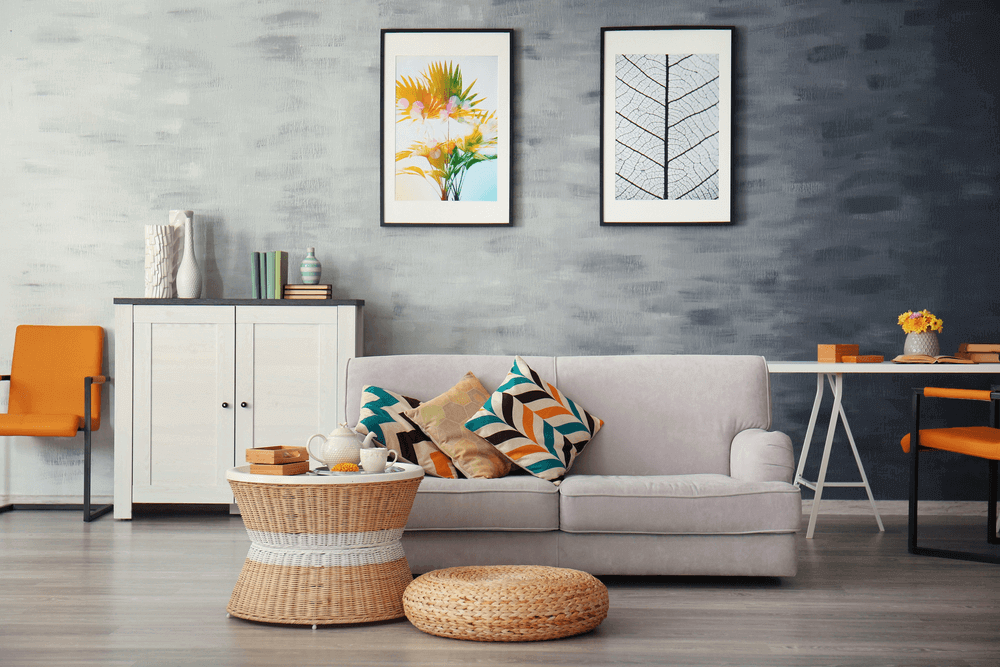
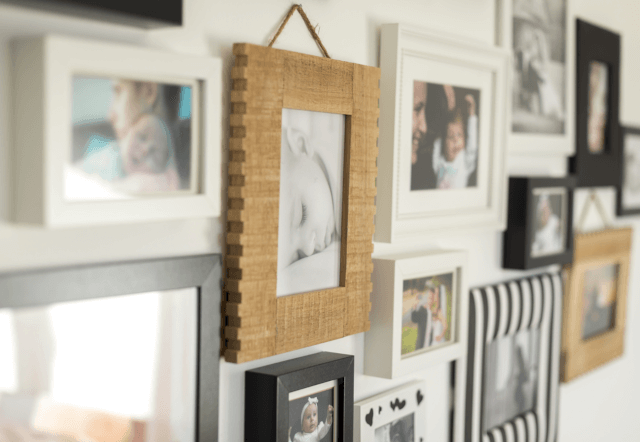
Creating a gallery wall with DIY frames is an exciting and fulfilling way to showcase your personal style while adding character to your home. Over the past few years, gallery walls have become increasingly popular in interior design circles, celebrated not just for their visual appeal but also for their ability to transform any blank wall into a dynamic display of personal expression.
Whether you’re an art enthusiast wanting to exhibit your favorite prints or someone looking to infuse some personality into a living space, a gallery wall offers both aesthetic and emotional value.
The beauty of a well-curated gallery wall lies in its potential to reflect individual stories and memories, transforming ordinary spaces into personalized art galleries. This artistic endeavor allows homeowners to explore endless possibilities-mixing mediums, playing with scales, and choosing eclectic themes-all while crafting a unique narrative across their walls. More than just decoration, these collections can serve as conversation starters, inviting guests into the world you’ve curated through visually appealing assemblages.
For those eager to take on this creative journey themselves, the DIY approach provides a wonderful opportunity to construct something truly original without breaking the bank. By learning how to create custom frames and carefully selecting each piece that goes onto your wall, you imbue every element with meaning and intent.
Not only does this process allow for greater personalization, but it also opens up avenues for creativity as you experiment with different styles and techniques throughout your project. With some planning and imagination, anyone can create an engaging gallery wall that resonates with both inhabitants and visitors alike.
Planning Your Gallery Wall
When planning how to create a gallery wall with DIY frames, selecting the right wall and space is crucial. It’s essential to assess both the dimensions of your chosen area and its visibility within your home. A frequently-used room like a living room or hallway often serves as an ideal backdrop, allowing your curated display to captivate guests.
Also, consider natural lighting and reflect on how shadows may play across the wall at different times of the day. The goal is to highlight each piece for maximum impact without creating glare or distracting reflections.
Once you have selected the appropriate wall, it’s time to plan your layout carefully. Begin by deciding between a symmetrical or asymmetrical arrangement. Symmetry appeals to those who prefer order and a sense of harmony; it involves aligning frames in rows or grids with equal spacing throughout.
On the other hand, an asymmetrical layout offers more creativity and flexibility-it allows you to play with multiple sizes and orientations while maintaining visual balance through careful attention to spacing. Creating paper templates of your frames can help visualize various configurations before making permanent placements.
Next, focus on selecting a cohesive theme or color palette that will tie together all elements of your gallery wall seamlessly. Whether centered around hues, subject matter, or artistic style, coherence enhances overall aesthetic appeal and unity.
For instance, choosing warm earth tones can exude warmth and coziness perfect for spaces intended for relaxation; complementary colors yield vibrancy that energizes any room. As you curate pieces based on this foundation, you retain freedom in selecting diverse artworks while ensuring your exhibit’s uniformity remains intact-even when learning how to create a gallery wall with DIY frames from scratch.
Choosing Art and Photographs for Your Gallery
When contemplating how to create a gallery wall with DIY frames, selecting the right art and photographs is crucial to curating a collection that resonates with your personal style and the ambiance of your space. First and foremost, consider pieces that have meaning or tell a story that reflects your unique personality.
This could be anything from family photos captured during memorable moments to prints of artwork that speak to you emotionally. A well-chosen selection can transform a blank wall into a tapestry of narratives waiting to be discovered.
Diverse Art Forms
To achieve an eclectic yet harmonious look, think about incorporating different types of art and photography. Pair paintings with modern prints or vintage illustrations, and let these elements converse through their varied textures and history.
Black-and-white photography can offer a classic touch amidst colorful artwork, while an abstract piece could provide contrast against more traditional portraits or landscapes. The key is in balancing these elements so they complement rather than overpower each other, crafting a visually rich gallery that’s aesthetically unified but captivatingly diverse.
Mixing Mediums for Depth
In addition to mixing various types of artwork, incorporating multiple mediums can add depth and interest. Consider textured canvases alongside smooth photo prints or introduce dimensional objects like fabric swatches or small sculptures framed in shadow boxes.
When learning how to create a gallery wall with diy frames, these mixed media contrasts not only add layers but also elevate the visual intrigue of your display. Experimenting with elements like woodcuts beside modern acrylics can amplify both individual pieces’ strengths and the comprehensive allure of your gallery wall.
Each chosen piece contributes its own voice within the symphony of visuals on display, making thoughtful selection fundamentally important when developing your gallery wall narrative. By fostering an engaging blend of personal stories told through varied artistic expressions, you ensure every glance becomes an exploration – giving life and character to any room in which it resides.
Materials Needed for DIY Frames
Creating custom frames for your gallery wall requires an array of materials, each contributing to the aesthetic and functionality of your display. The first essential component is wood or alternative frame material. Wooden planks, molding strips, or reclaimed wood are popular choices due to their versatility and availability at local hardware stores.
These can be cut to size to match your artwork, providing a sturdy base for each frame. Don’t shy away from using unique materials like old window frames or pallets if you’re aiming for a rustic or eclectic look.
Next, you will need proper cutting tools suitable for crafting precise angles and measurements. A miter saw ensures clean 45-degree cuts necessary for creating perfectly aligned corners in your frames. For those without access to power tools, a simple handsaw combined with a miter box can achieve similar results with more manual effort. Sandpaper will also come in handy to smooth edges and surfaces before assembly, safeguarding against splinters and ensuring a polished finish.
In addition to the structural components, consider the materials required for assembling and finishing your frames. You’ll want wood glue or nails for securing joints tightly-an essential step when considering how to create a gallery wall with DIY frames that are both stable and visually appealing.
Finishing touches might include paint or stain to match your room decor; alternatively, wraps like washi tape can provide bursts of color and pattern without permanent changes. Don’t forget hanging hardware such as picture hangers or D-rings alongside screws or adhesive hooks designed according to the weight of your completed frames.
Lastly, remember the additional items needed not just for crafting but also displaying your masterpieces prominently on the wall. Ruler and level tools will ensure accurate placement during layout planning, preventing crooked displays that could disrupt the harmony of your gallery wall design.
Consider incorporating glass or acrylic panels in front of delicate artworks-these provide protection while enhancing visual clarity-although they’re optional depending on personal preference and budget constraints. With these resources on hand, you’ll be prepared to embark on constructing unique DIY frames tailored specifically for showcasing cherished art pieces within a beautifully assembled gallery wall masterpiece.
Step-by-Step Guide
To embark on your journey of learning how to create a gallery wall with DIY frames, it’s important to start by gathering all the necessary materials and preparing a clean workspace. Begin by selecting high-quality wood or other materials like metal or plastic for your frame base, as these will determine the sturdiness and longevity of your frames.
Essential tools include a saw for cutting materials to the appropriate size, a miter box to ensure precise angles for corners, and wood glue or small nails to hold your frame together securely. Once you have your supplies ready, set up an area where you can work without interruption-ideally in a workshop or garage.
First, measure the dimensions of your chosen artwork or photos carefully; this will guide the size of each frame you’ll be constructing. Cut your selected material into four pieces: two for the horizontal stretchers (the top and bottom edges) and two for the vertical sides.
If you’re seeking a snug fit around your artwork, aim for tight corner angles using a 45-degree cut with the help of a miter box. Assemble these pieces by applying wood glue at each joint before fastening them with small nails or screws for additional security.
Creative customization adds personality to handmade frames. Consider embellishing them with paint that complements the color palette of your chosen gallery wall theme; think about stenciling patterns or adding texture through decoupage with patterned papers or fabrics. For those interested in rustic charm, distressing techniques can enhance character and depth-achieved through light sanding on edges after painting.
This encourages an eclectic aesthetic without sacrificing structure. By experimenting with these creative approaches, you are well on your way to crafting unique frames filled with personal satisfaction while contributing to an inspiring environment in tandem with art presentation.
Arranging and Securing Your Gallery Wall
When it comes to arranging and securing your gallery wall, the initial step is to experiment with the layout by setting it up on the floor. This process allows you to visualize different compositions without committing to holes in your walls. Consider playing with both symmetrical and asymmetrical arrangements, finding a balance that suits your personal style and space dimensions.
Symmetrical layouts offer a more organized look, while asymmetry can introduce a dynamic, eclectic vibe that adds charm and character. Take advantage of this flexibility to try various configurations with your DIY frames until you find the one that feels just right.
Once satisfied with the arrangement, focus on ensuring even spacing between each piece for a polished appearance. A useful trick is to use cut-out paper templates that match the size of your frames; tack these onto the wall using painter’s tape to see how they’ll look hung up.
This method gives you an opportunity to adjust spacing and alignment as necessary before moving forward with hanging the actual pieces. Remember, precision matters-using a level ensures your frames will be perfectly aligned horizontally.
Hanging frames securely entails choosing appropriate hardware based on each frame’s size and weight-keyhole hangers are excellent for larger pieces, while small sawtooth hangers work well for lighter frames-and consider using adhesive strips for medium-weight items if you wish to avoid nails altogether.
If pondering how to create a gallery wall with DIY frames offers any nervous moments about hammering into walls, perhaps removable hooks would suit better; they provide strong support without leaving marks behind when removed or repositioned.
| Technique | Description |
|---|---|
| Floor Layout | Arranging elements on the floor first helps visualize potential compositions. |
| Even Spacing | Ensure consistent distances between items using templates or measuring tape. |
| Secure Hanging | Select hardware or adhesive suitable for frame weight and desired permanence. |
Adding Personal Touches
Integrating personal touches into your gallery wall can transform it from a mere collection of art to a meaningful display that tells your story. Consider incorporating heirlooms or cherished souvenirs as part of your design. These items serve not only as focal points but also spark conversations and nostalgia.
For instance, a beautifully framed piece of fabric from an ancestral quilt or a shadow box containing travel mementos can add depth and history to your arrangement. Understanding how to create a gallery wall with DIY frames empowers you to tailor each component uniquely, reinforcing the personal narrative imbued in your art selections.
Creative ideas for utilizing unexpected items as frames or art pieces further personalize your gallery wall. Think beyond traditional frame materials and explore unconventional options like using antique windows or mirrors to create stunning visual elements. Repurposing old drawers or wooden pallets gives an industrial edge and sustainability advantage, while vintage book covers might serve as backing for smaller prints, combining literature admiration with artistic display. This approach celebrates individuality and sustainability, allowing reinvention and showcasing sentiments through thoughtful assembly.
An often overlooked element in enhancing the viewing experience is lighting. Employing strategic lighting techniques can dramatically alter the mood and highlight important features of your gallery wall. Incorporate picture lights or spotlights to accentuate specific artwork, while strip lighting behind frames creates an ambient glow that draws focus subtly yet effectively. By blending these illumination methods with your carefully curated layout, you ensure each piece receives the attention it deserves without overshadowing others within the ensemble.
| Personal Touch | Description |
|---|---|
| Heirlooms/Souvenirs | Incorporate nostalgic items for added depth. |
| Unexpected Frames | Use antique windows, mirrors, repurposed wood. |
| Lighting Techniques | Employ picture lights or spotlights for emphasis. |
Maintaining and Updating Your Gallery Wall
Keeping your gallery wall looking vibrant and engaging is an ongoing endeavor that goes beyond the initial setup. Regular maintenance ensures that each piece remains in pristine condition, preserving its aesthetic appeal over time. Dusting your frames occasionally not only helps maintain their appearance but also gives you an opportunity to inspect for any signs of wear or damage.
Use a soft, lint-free cloth or a gentle microfiber duster to clean both the frames and the artwork. For glass surfaces, consider using a glass cleaner sprayed onto a cloth rather than directly on the surface to avoid moisture seeping into the frame.
Refreshing your gallery wall can be as rewarding as creating it from scratch, and it’s easier when using interchangeable DIY frames. By learning how to create a gallery wall with DIY frames, you can readily swap out art pieces whenever inspiration strikes or important milestones occur.
This adaptability makes it possible to reflect seasonal changes or personal growth through your art selections, keeping the display dynamic and engaging. Begin by removing all the pieces one at a time while being mindful of their arrangement and spacing – noting successful placements will streamline updates in the future.
The excitement of updating your gallery wall doesn’t stop with new art; consider adding thematic elements or rotating displays based on upcoming events, holidays, or mood shifts in your home environment. Incorporating versatile decorative items such as garlands during holidays or integrating small plant holders can provide subtle yet impactful enhancements to your display’s ambiance.
Such thoughtful curation not only uplifts the visual dynamics of your space but also enhances personal interaction with each curated piece constantly rejuvenated by innovative additions and rearrangements.
Conclusion and Final Thoughts
Creating a gallery wall with DIY frames offers not just a decorative transformation of your living space but also a deeply satisfying personal project. By undertaking this artistic endeavor, you bring together elements that reflect your own tastes and stories while utilizing creativity and craftsmanship to enhance your home environment.
The process, from planning to execution, is both rewarding and enriching, allowing you to express individuality in an engaging way. Learning how to create a gallery wall with DIY frames not only makes your domestic spaces more visually appealing but also provides an opportunity for creative exploration.
The step-by-step journey of crafting frames by hand empowers homeowners to engage with their spaces more intimately. Each frame becomes a story; each piece of art shares part of the narrative that defines the atmosphere you wish to cultivate. This form of expression adds character and warmth to your walls, setting the stage for conversations and memories. Furthermore, integrating personal touches like family heirlooms influences not only aesthetic pleasure but also emotional connection within your environment.
Sharing these creations can extend beyond immediate enjoyment within the household. Displaying photos or describing the creation process on social platforms encourages dialogue with others who share similar interests in interior design and DIY projects. Such interactions could offer new ideas or inspire others embarking on their gallery wall journey.
As you revel in the accomplishment of completing this task, remember that home decor is ever-evolving. Don’t shy away from updating pieces or reimagining arrangements as seasons change-ensuring your gallery wall remains dynamic and representative of new experiences over time.

I’m thrilled to be your companion on this exciting journey through the world of home decor and design. With a passion for turning houses into homes and a keen eye for the finer details, I’m here to help you transform your living spaces into beautiful, functional, and meaningful havens.